
How Automated Trading is Transforming Financial Markets
क्रिप्टो मार्केट सुरक्षा और नैतिकता
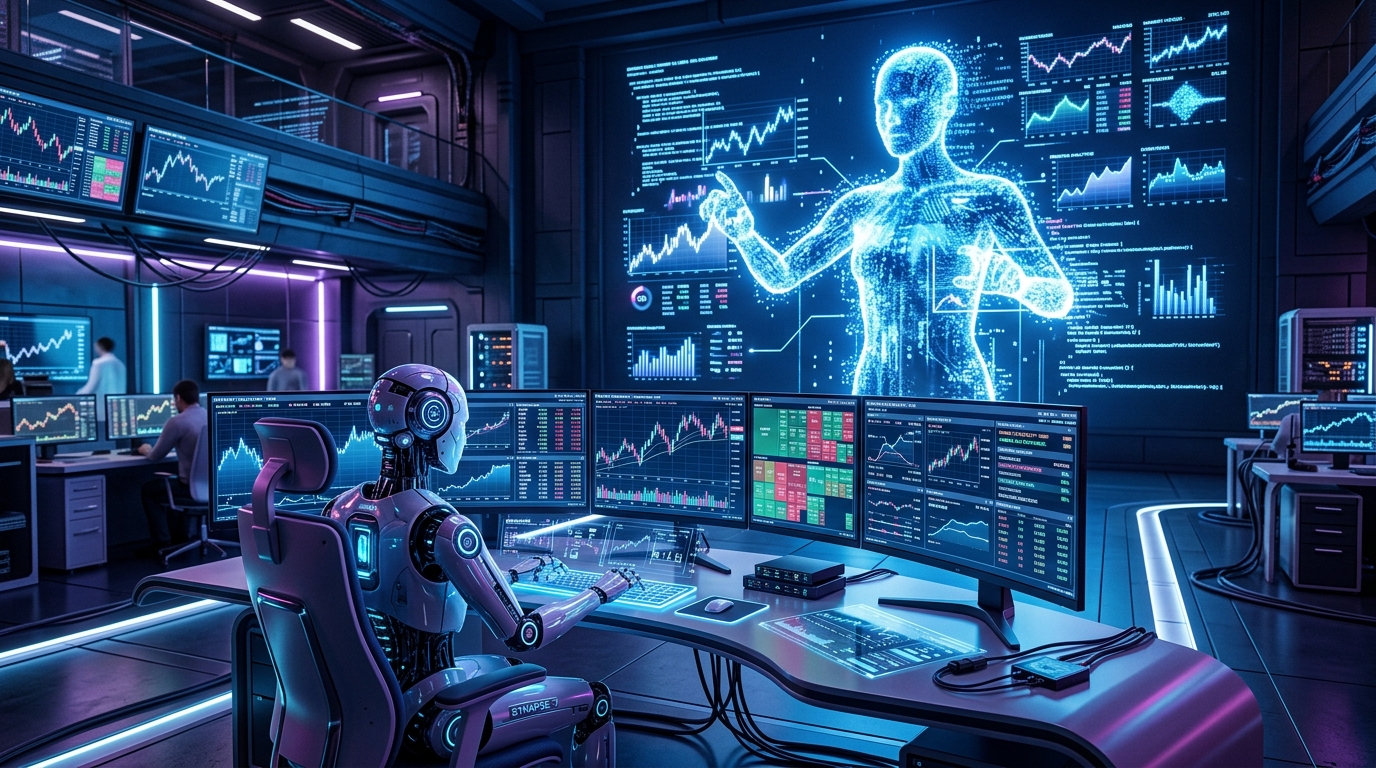
वित्तीय बाजारों में स्वचालन तेजी से व्यापार करने के तरीके को बदल रहा है। एल्गोरिदमिक व्यापार की जड़ों से लेकर जटिल मशीन-लर्निंग मॉडलों के विकास तक, स्वचालित व्यापार प्रणाली संस्थागत और खुदरा व्यापारियों दोनों के लिए अनिवार्य बन गई हैं। इस लेख में, हम देखेंगे कि कैसे स्वचालित व्यापार वित्तीय बाजारों को बदल रहा है, इसकी प्रमुख तकनीकें, रणनीतियाँ, लाभ, चुनौतियाँ, और इस क्रांति के चारों ओर नैतिक विचार।
स्वचालित व्यापार का परिचय
स्वचालित व्यापार का तात्पर्य कंप्यूटर प्रणालियों के उपयोग से है, जो पूर्व-प्रोग्राम किए गए एल्गोरिदम के आधार पर मानव हस्तक्षेप के बिना व्यापार निष्पादित करते हैं। ये प्रणालियाँ वास्तविक समय में बाजार डेटा का विश्लेषण करती हैं और ऐसे निर्णय लेती हैं जिन्हें मानव व्यापारी नहीं कर सकते। स्वचालित व्यापार का इतिहास 1970 के दशक के अंत से शुरू होता है, जब सरल नियम-आधारित प्रणालियाँ थीं, जो अब कृत्रिम बुद्धिमत्ता (AI) और मशीन लर्निंग को शामिल करने वाले जटिल प्लेटफार्मों में विकसित हो चुकी हैं।
स्वचालित व्यापार में प्रौद्योगिकी की भूमिका
Technological advancements have fundamentally transformed the landscape of automated trading in India. The integration of machine learning and artificial intelligence empowers trading platforms to evolve continuously, discerning trends and enhancing strategies. High-frequency trading (HFT) techniques, capable of executing numerous trades within seconds, have dramatically altered market dynamics by taking advantage of tiny price variations. Moreover, the emergence of cloud technology, extensive data analytics, and robust network systems has allowed traders to implement these algorithms worldwide, granting them access to financial markets around the clock with minimal delays.
Understanding the Mechanism of Automated Trading Systems
Automated trading systems rely on algorithms—structured sets of guidelines and commands crafted in various programming languages. These systems can vary significantly, from straightforward rule-based approaches, such as initiating a purchase when a stock surpasses a particular threshold, to intricate, AI-enhanced frameworks that analyze past data to forecast future price trends.
Categories of Automated Trading Systems Include:
- Rule-Based Trading Systems: Carry out trades according to established, specific criteria.
- AI-समर्थित प्रणालियाँ: लगातार सीखती हैं और अनुकूलित होती हैं, विशाल डेटा सेट का विश्लेषण करके समय के साथ सुधार करती हैं।
- संयुक्त प्रणालियाँ: नियम-आधारित रणनीतियों को मशीन लर्निंग के साथ मिलाकर प्रदर्शन में सुधार करती हैं।
- blog_three_question_4.subtitle_4: blog_three_question_4.desc_4
स्वचालित व्यापार रणनीतियों के प्रकार
प्रत्येक रणनीति जटिल एल्गोरिदम पर निर्भर करती है और इसे सावधानीपूर्वक समायोजन और जोखिम प्रबंधन की आवश्यकता होती है।
Automated trading employs various strategies tailored to market dynamics and individual objectives. Key strategies include:
- Arbitrage Techniques: These take advantage of price discrepancies between different markets or exchanges.
- Momentum Trading Strategies: These strategies capitalize on prevailing market trends, purchasing during price increases and selling during declines.
- Mean Reversion Tactics: Leverage the expectation that asset prices will return to their historical averages following notable fluctuations.
- Strategies for Market-Making: Earn from the difference between buying and selling prices by executing buy and sell orders at the same time.
Advantages of Automated Trading
Automated trading systems provide numerous benefits compared to traditional trading methods. Essential advantages include:
The efficiency of automated trading surpasses manual approaches, offering significant benefits.
- गति और दक्षता: कंप्यूटर व्यापार को मानवों से कहीं अधिक तेजी से निष्पादित कर सकते हैं, अवसरों का लाभ उठाते हुए जो जल्दी गायब हो जाते हैं।
- मानव त्रुटियों में कमी: स्वचालित प्रणाली भावनात्मक निर्णय लेने और संज्ञानात्मक पूर्वाग्रहों को समाप्त करती है, जिसके परिणामस्वरूप अधिक स्थिर परिणाम मिलते हैं।
- 24/7 बाजार पहुंच: ये प्रणालियाँ लगातार कार्य कर सकती हैं, यह सुनिश्चित करते हुए कि व्यापारी कभी भी बाजार के अवसर को नहीं चूकें।
- पुनः परीक्षण और अनुकूलन: व्यापारी अपने रणनीतियों को लागू करने से पहले ऐतिहासिक डेटा का उपयोग करके उनका परीक्षण कर सकते हैं, प्रदर्शन को अनुकूलित करते हुए जोखिम को कम करते हैं।
स्वचालित व्यापार के जोखिम और चुनौतियाँ
In the bustling world of cryptocurrency, the allure of trading has captivated many in India. Imagine a platform where your aspirations can take flight—this is what Falcon Vaultwick offers through its Falcon Vaultwick feature. Picture yourself navigating through a seamless interface, where every trade feels like a calculated move on a chessboard. With Falcon Vaultwick, traders can access advanced tools that enhance decision-making, allowing you to analyze market trends and make informed choices. Consider the story of Aditi, a young entrepreneur from Mumbai. She started her crypto journey with little knowledge but found her footing with Falcon Vaultwick. Using Falcon Vaultwick, she learned to harness the power of data analytics, transforming her initial investments into substantial gains. The ability to diversify your portfolio is crucial, and with Falcon Vaultwick, you can effortlessly explore various cryptocurrencies. This empowers you to spread risk while maximizing potential returns. As you delve deeper into the crypto realm, the sense of community and support from fellow traders becomes invaluable, making each step of your trading journey more enriching. Join the ranks of successful traders like Aditi and unlock the true potential of your investments with Falcon Vaultwick. The future of trading is not just about numbers; it's about crafting your own success story.
हालांकि स्वचालित व्यापार के कई लाभ हैं, लेकिन इसके साथ कुछ जोखिम भी जुड़े हैं। प्रमुख चुनौतियों में शामिल हैं:
- बाजार की अस्थिरता के जोखिम: Automated trading systems can heighten market instability, particularly during sudden downturns or flash crashes, where swift, large-scale sell-offs may spiral into chaos.
- Flash Crashes: In a notable incident in 2010, an algorithm-driven event triggered a swift market plunge, erasing billions in value in mere moments.
- Technical Failures: Errors in programming, system outages, or bugs can lead to considerable financial setbacks for traders relying on automated tools.
- blog_three_question_7.subtitle_4: blog_three_question_7.desc_4
The Influence of Automated Trading on Financial Markets in India
The advent of automated trading has revolutionized the Indian financial landscape, enhancing liquidity and operational efficiency. Trades now occur at unprecedented speeds, benefiting all asset classes. However, this shift towards automation is gradually diminishing the necessity for human traders, as advanced algorithms assume responsibilities that were traditionally manual, thus transforming the employment dynamics within the finance sector.
Automated Trading Across Various Financial Instruments
Automated trading platforms exhibit remarkable adaptability, functioning effectively in a range of markets, including:
- Equities: In India, stock trading algorithms have reached a sophisticated level, utilized extensively by both institutional investors and retail traders seeking to capitalize on market movements.
- Forex: Automated trading systems have revolutionized the cryptocurrency landscape, allowing for swift adaptations to market shifts and news events.
- Commodities: From precious metals to energy resources, automated trading strategies in commodities leverage market trends and price discrepancies effectively.
- Cryptocurrencies: The dynamic and around-the-clock nature of cryptocurrency markets makes them ideal for automated trading solutions that can swiftly react to fluctuations.
Navigating Regulatory Hurdles
The regulation of automated trading is vital for maintaining market integrity in India. Authorities such as SEBI are actively working to establish guidelines that promote transparency and prevent malpractices. However, the rapid evolution of AI technologies poses a challenge for regulators striving to keep pace. There are also ethical dilemmas concerning the potential for algorithm-driven manipulation in the markets.
How Institutional Investors Utilize Automated Trading
Institutional investors, including mutual funds and proprietary trading houses, are increasingly turning to automated trading systems for competitive advantages. Quantitative analysts, often referred to as 'quants,' craft intricate models that harness large datasets, AI, and machine learning techniques to achieve superior results compared to conventional trading strategies. Many successful investment firms attribute their achievements to the efficacy of these automated systems.
Automated Trading Opportunities for Retail Investors
Recent technological innovations have made automated trading accessible to retail investors across India. Platforms like Zerodha and Upstox provide user-friendly interfaces for trading bots, while social trading networks enable users to replicate the tactics of proficient traders. Retail investors can also create or acquire personalized trading bots to streamline their trading endeavors.
Envisioning the Future of Automated Trading
As artificial intelligence and machine learning advance, the complexity of automated trading platforms will also increase. Emerging technologies like quantum computing, although still developing, promise to transform trading by analyzing vast datasets at unprecedented speeds. In the coming years, automation is poised to take an even more significant role in financial markets, minimizing reliance on human traders.
Ethical Challenges in Automated Trading
Transparency plays a vital role in maintaining fairness in automated trading environments. It is essential that algorithms are crafted to avert market manipulation and provide equal access to trading opportunities. Striking a balance between the advantages of automation and the necessity for ethical conduct in the markets remains a continuous challenge for both regulators and participants.
Insights from Automated Trading Incidents
- 2010 Flash Crash: This incident underscored the risks associated with automated trading systems, where algorithms instigated substantial sell-offs, leading to a rapid downturn in the market within minutes.
- Success Narratives: Prominent institutions like Zerodha and Upstox have harnessed the power of automation to consistently exceed market performance, establishing new standards in the financial realm.
Common Inquiries (FAQs)
- 1. What is algorithmic trading? Algorithmic trading involves leveraging computer programs to carry out trades autonomously, minimizing the need for human involvement.
- 2. What distinguishes high-frequency trading from standard trading? High-frequency trading entails executing numerous trades in fractions of a second, taking advantage of minute fluctuations in prices.
- 3. Is there no risk associated with automated trading? Indeed, while automated trading minimizes human errors, it still carries risks like technical glitches and unpredictable market shifts.
- 4. Can individual investors engage in automated trading? Absolutely, various platforms empower individual investors to develop or implement automated trading techniques.
- 5. How do authorities supervise automated trading activities? Regulatory authorities implement a variety of monitoring mechanisms, such as real-time tracking systems and compliance-based frameworks.
- 6. Which technologies are essential for automated trading systems? Essential technologies encompass artificial intelligence, machine learning, cloud infrastructures, and high-speed connectivity.
Conclusion: The Transformative Journey of Financial Markets through Automation
The rise of automated trading is reshaping financial markets, enhancing efficiency, accelerating trade execution, and enabling advanced strategies. As AI, machine learning, and quantum technologies progress, the realm of automated trading will thrive on its capacity to innovate while ensuring market integrity.